Welcome to NCPMA
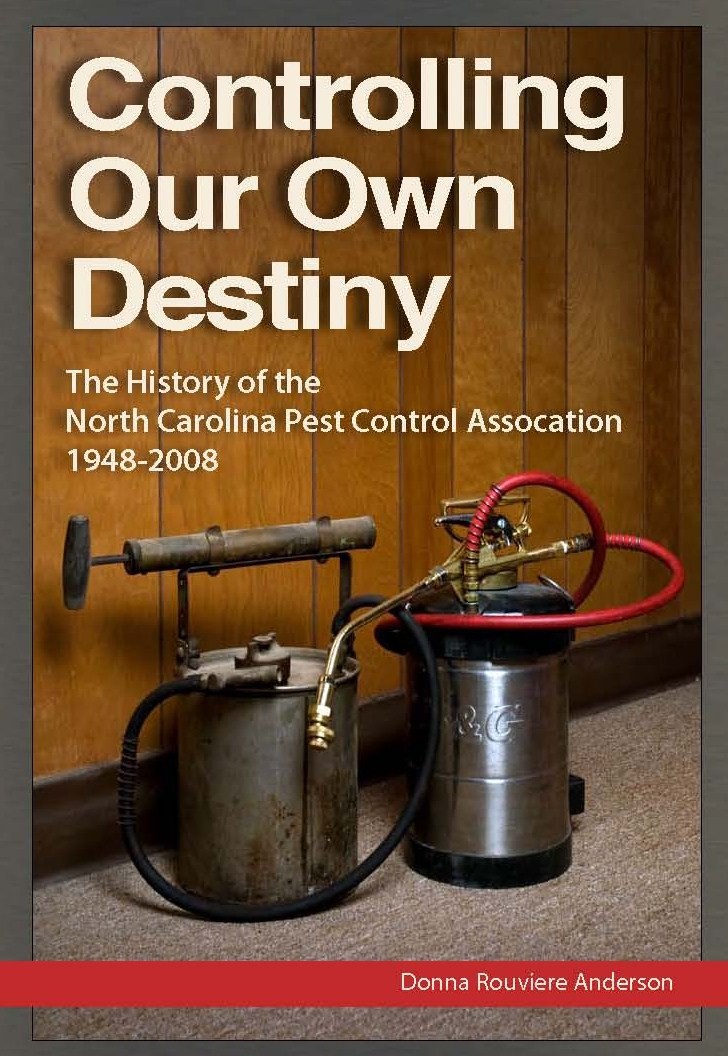
For over 70 years, the North Carolina Pest Management Association (NCPMA) has served our state’s pest management industry. We are the leading association of pest management professionals in the state of North Carolina, and are dedicated to providing both our members and the general public with the most up-to-date pest management information. To learn more about our association's history, click here to read our history book "Controlling Our Own Destiny."
To ensure that our members receive the training and education needed to produce world-class pest professionals, NCPMA offers continuing education classes and year-round technical and management courses through the Pest Control Technician School and regional workshops.
As such, NCPMA members are dedicated to using the latest pest control technology and methods. Our members research the best and most effective method to remedy your pest control issue, including non-chemical alternatives.
Latest News view all
05/22/20262026 Carolinas/Mid-Atlantic Summer Conference Goes to CharlestonThe 2026 Carolinas/Mid-Atlantic Summer Conference is heading to beautiful, historic Charleston, S.C.! Join us for a great conference filled with training, CEUs, fun and more with your pest management friends and family. Read More |
04/24/2026Register for the 2026 Carolinas/Mid-Atlantic Summer ConferenceRegistration is open for the 2026 Mid-Atlantic Summer Conference in Charleston, S.C.! Earn CEUs and enjoy all of the social activities with your pest management friends and family! Read More |
04/09/2026Renewing Your NCPMA MembershipRead More |
04/09/2026Applications Open for the 2026 NCPMA Education Foundation Past Presidents' ScholarshipDeadline: June 15, 2026Calling all post-high-school students!! Applications now available for the NCPMA Education Foundation Past Presidents' Scholarship. Read More |
03/19/2026Announcing 2026 Spring WorkshopsNCPMA announced the dates and locations for the 2026 Spring Workshops featuring Patty Alder. We are offering options around the state so you can find a location that is closest to you. Read More |
Video
History Book
Events view all
June Board Meeting (In Person)
Wed
17
2026
June 17, 2026
1:30PM - 3:30PM
NC Department of Agriculture - Steve Troxler Agricultural Sciences Center 4400 Reedy Creek Road Raleigh, NC 27607
NC Structural Pest Control Committee Meeting
Thu
18
2026
June 18, 2026
9:00AM - 11:00AM EST
NC Department of Agriculture - Steve Troxler Agricultural Sciences Center 4400 Reedy Creek Road Raleigh, NC 27607
Event Details
